
Deal with faults promptly
If your system reports a fault, make a note of the message, the device involved and when it appeared. Contact us to discuss the issue and the next steps. Do not assume an alarm or fault is harmless, and do not leave a device isolated without appropriate fire safety arrangements.
Keep pace with your premises
Changes to room layouts, occupancy, partitions or the use of a space can affect detection and alarm coverage. Tell us about planned changes before work begins so the system can be reviewed. Maintenance should account for the building as it is used today, not just its original layout.
Devices, batteries and system care
Maintenance may involve investigating faults, addressing device condition, replacing components or batteries where appropriate, and checking the system after remedial work. The exact action depends on the device, the manufacturer’s instructions and the findings on site.
Routine care still matters
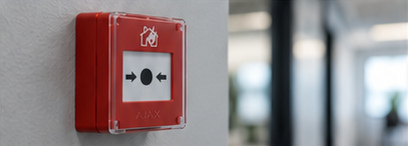
Keep call points unobstructed and avoid painting, covering or moving fire alarm devices. Record routine tests, faults and work in your system logbook. If an alarm indicates a possible fire, follow your premises’ emergency procedure; an enquiry to us is not a substitute for emergency assistance.